The dress is by Rahul Mishra, an up-and-coming Indian designer born in 1979 who has stunned the fashion world in recent years: now internationally recognized, he was the first Indian designer to have a show at Paris Haute Couture Week, as well as the first to win the International Woolmark Prize – already won by the likes of Yves Saint Laurent and Ralph Lauren.
espousing the idea of sustainable and slow fashion, Mishra praises Indian culture and craftsmanship through clothes featuring handmade embroidery and pioneering designs. These creations come about due to the fact that he goes beyond the consumerist idea of fashion and clothes, but considers fashion, art, and poetry worlds that meet and not spheres separated and isolated from each other by sharp, marked boundaries.
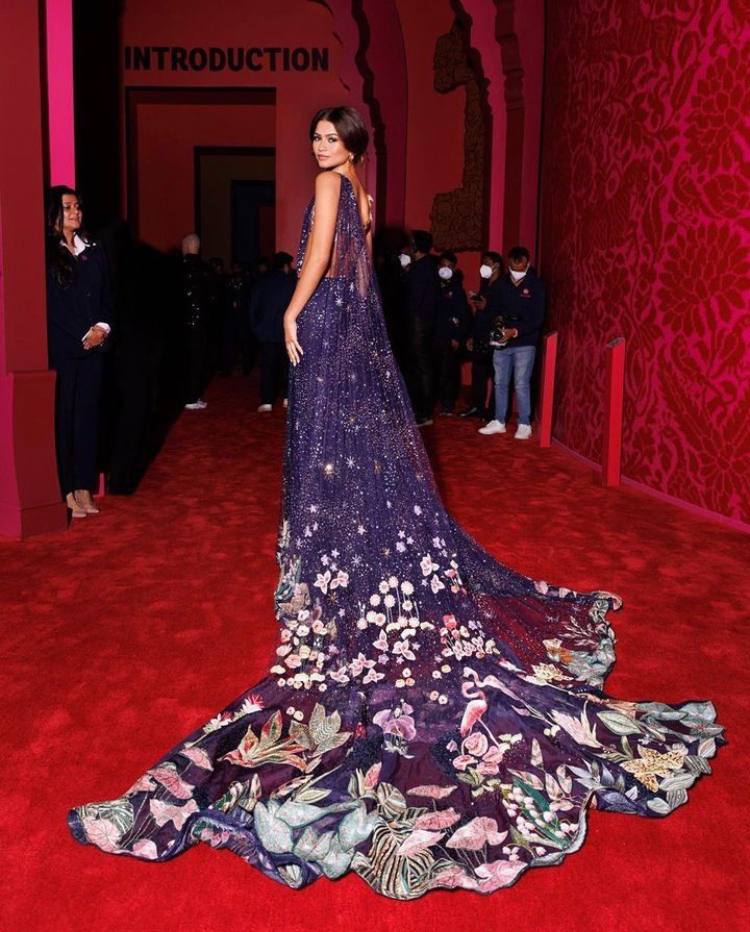
Image 1: Zendaya at the inauguration of the Nita Mukesh Ambani Cultural Center. @rahulmishra_7.
His work also starts from a philosophy that he calls “the 3 E’s”: Environment, Employment and Empowerment. We could say, then, that Mishra, through this approach, reflects the three areas that are associated with the broad concept of sustainable development, that is, a way of life that respects a sustainability that is at once environmental, economic and social-the same on which the 2030 Agenda is based.
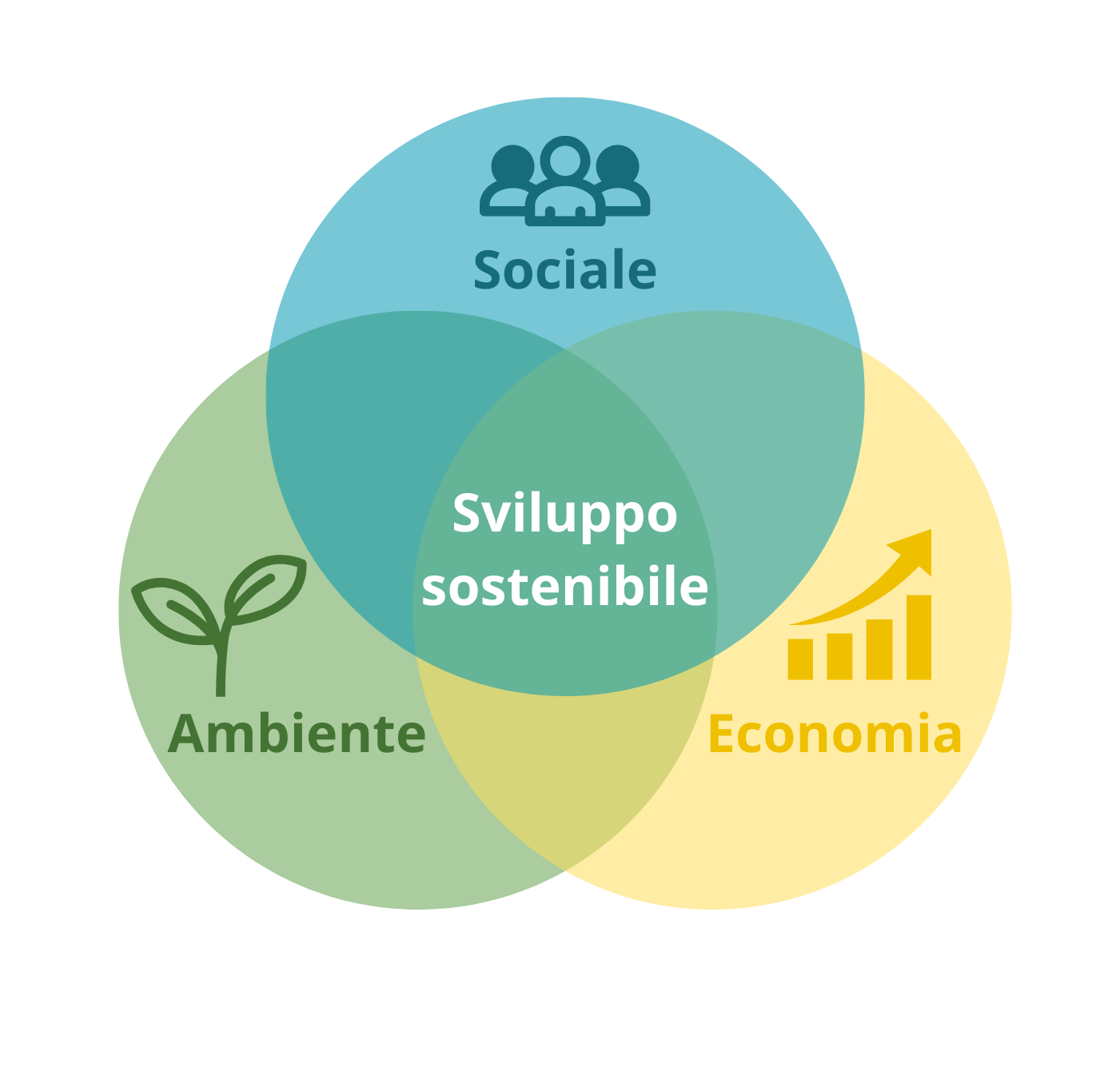
Image 3: Excerpt from “The Enchanted Rahul Mishra Couture Spring 2022 Fashion Film” video by Rahul Mishra, Youtube.
Rahul Mishra’s Superheroes
However, the dress created in 2023, which takes its cue from the Cosmos collection in which clothes become the answers to questions about the boundless mysteries of life, is not the only example of Mishra including natural subjects in his creations. In fact, back in 2022 the designer created The Enchanted collection, inspired by Himalayan flora and fauna: flowers in particular were made hyper-realistic through a deep study of their anatomy, creating a surreal experience in which botany becomes the language for an eccentric and spectacular narrative.
But that’s not all: for the spring 2024 collection, Mishra decided to put an ode to the planet’s biodiversity at the centre, while at the same time emphasising the risk it is running. In particular, the artist decided to give ample space to reptiles and insects – animals that are less “appealing” to the general public. The title of this collection, Superheroes, stands precisely to indicate how these animals, which he considers “the benign architects of the planet,” are important and fundamental to the ecosystems in which they live.
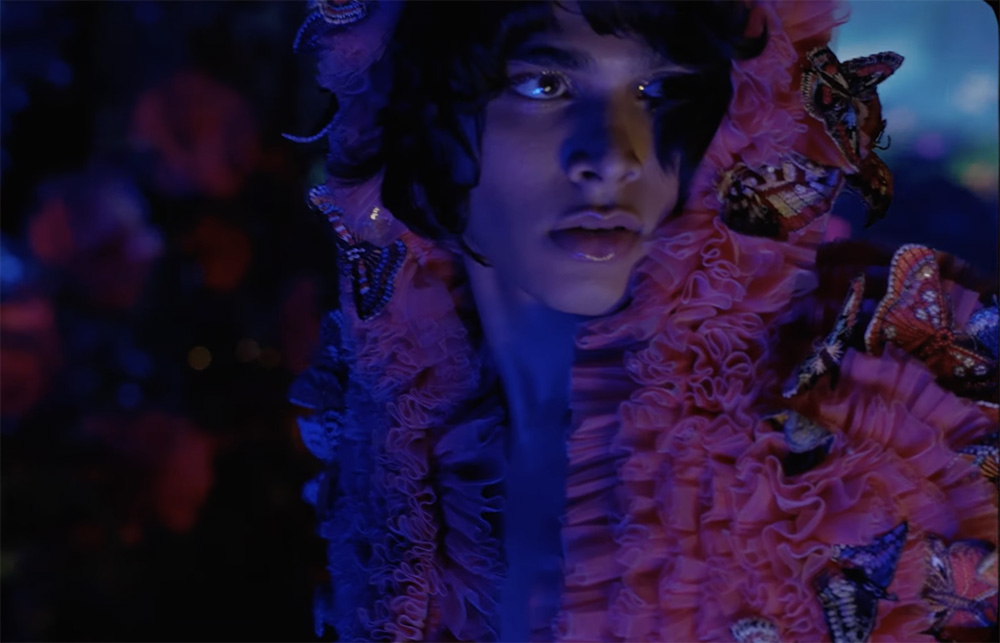
Image 3: Excerpt from “The Enchanted Rahul Mishra Couture Spring 2022 Fashion Film” video by Rahul Mishra, Youtube.
The designer, through this collection, also emphasises how “we must learn to coexist with them and suppress the instinct to kill them”, in order to have a more harmonious life. To emphasise the impact that humans are having on these creatures, the fashion show took place in a sparsely landscaped industrial space, which allowed people to immerse themselves in a setting devoid of human presence but full of locusts, moths, lizards and other animals.
For example, the fashion show opens with a black dress covered by a kind of Petri dish, a low, cylindrical container used in biology to grow cell cultures, with a dragonfly embroidered inside: this animal is an ecological indicator, that is, it is a species that, being particularly sensitive to changes in the place where it lives such as the presence of pollutants, changes in temperature or species present, allows us to understand the conditions in which that ecosystem is found. Throughout the show then, the artist combines elegant garments with representations dedicated to various animals, exploring the biosphere to rethink the relationship we humans have with other creatures on the planet.
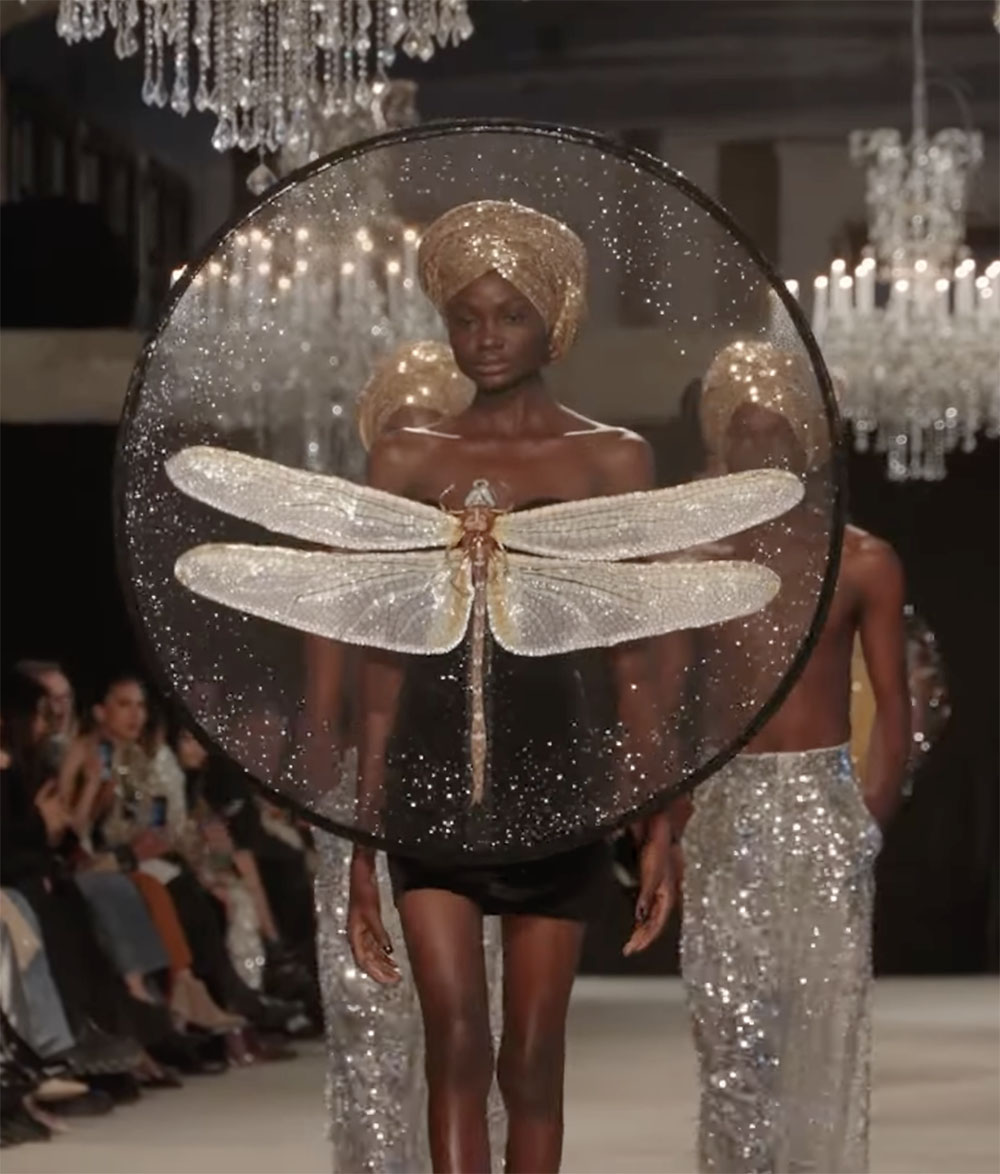
Image 4: Excerpt from the video “SUPERHEROES; RAHUL MISHRA COUTURE SPRING 2024” by Rahul Mishra, Youtube.
Where data doesn’t reach, art does
How fast fashion impacts the planet and how we can take action to limit the damage caused by the consumerist and capitalist system in which we live-from initiatives that promote second-hand and conscious consumption to those that take direct action on the materials that are used in the manufacture of garments-there is already a lot of talk about it. This awareness, however, is still not enough to fundamentally change the lifestyle and production of clothes worldwide, as it is a process in which many factors intersect that on a large scale are extremely difficult to analyse, understand and change.
Overlooking the environmental and economic impact of fashion – and consequently Haute Couture as well -, Rahul Mishra’s Superheroes collection can help us think about how to create and implement different languages to talk about issues such as the environment, biodiversity, and the environmental crisis. Reports, infographics, panels, and climate meetings are not enough. Their languages fail to be understood by the entire population, and it proves necessary to act on multiple fronts by diversifying the narrative to reach as many people as possible.Therefore, the tools made available by art forms for communication and information on complex environmental issues prove not only useful, but essential.Consequently, we need to embrace the artistic forms and recognize their communicative power in science as well.
As mentioned earlier, reptiles and insects became Mishra’s superheroes as species that are generally viewed in a negative light. The artist emphasises that it was crucial for him during the creation of the collection to reflect deeply on the biases we have toward certain animals, created not only by instinct but also and especially by the education we receive. The realism of the collection in this plays a key role, because it allows those who see the garments to have a truer and more spontaneous emotion, as if they were really in front of the animal.
Finally, one last reflection emerges from the collection. Because of the decrease in biodiversity we are experiencing and society’s general estrangement from some animals, Mishra wonders: how will children discover insect stories in the future? Will there be encounters only on petri dishes in biology labs? Will they feel comfortable seeing a dragonfly flutter or a reptile run off without jumping from fright?

Graduated in Environmental Humanities (Unive) and Natural Sciences (Unipd). Passionate about ethology, she works as an environmental educator and joined Atmosphera Lab as Social Media and writer in 2022.
More articles