Naturalistic collections
Historical naturalistic collections are essential tools for understanding past ecosystems, showing the diversity of organisms in an area, as in a photograph but in more than two dimensions.
An ecosystem as complex and rich in biodiversity as the Venice Lagoon has been “portrayed” in multiple naturalistic collections, showing the most common species but also some rare or bizarre-looking species. Just about the Lagoon, there is a collection that few people know about, but whose study can help to understand the species of this ecosystem and how it is changing: it is the algarium of Aristocle Vatova and Victor Schiffner, a collection of sheets on which there are samples of numerous species of algae from the Lagoon. Accessing these kinds of naturalistic collections is not always easy for everyone, but thanks to modern photography and digitization methods, it is now possible to make many of these materials available online, increasing their usability [1].
Cooperation in space and time
“Natural history museums hold a wealth of collections and historical data. They preserve the historical and naturalistic memory of the area”, says Raffaella Trabucco, curator of the Natural History Museum of Venice, who, together with Linda Seggi, a doctoral student at the University of Trieste, Stefano Martellos, a bioinformatician, and Simona Armeli Minicante, a marine biologist, worked on the project to digitise the algarium of Aristocle Vatova and Victor Schiffner.
Authors Aristocle Vatova, a marine biologist, and Victor Schiffner, a researcher of cryptogams, organisms that reproduce via spores, collaborated with other scholars to create the algarium. The collection of samples and field data was carried out by Vatova and botanist Augusto Béguinot, at 68 stations in the Venice lagoon and 5 localities in the Po Delta (the latter sampled for comparison) between 1930 and 1932. The determination of the samples, on the other hand, is due to Veronese algologist Achille Forti and Schiffner. The latter revised some already identified materials and described some new species, varieties and forms represented in the collection by several dozen types. Vatova then enriched the collection with 35 photographic plates, containing a total of 205 images, assembled in a binder to represent several significant specimens.
The algarium is preserved at the Giancarlo Ligabue Museum of Natural History in Venice and is organised in 6 tomes, with a total of 1406 sheets, ordered by Michelangelo Minio, director of the Museum in 1936. Minio compared the algarium specimens with the data on algal systematics published in the Monograph “La Laguna di Venezia” (1938) [2], adding references to the photographic plates and pages of the publication, supplementing missing information, and transcribing the sheet numbers on the respective envelopes of microscopic preparations. Each sheet is accompanied by data written on tags to define the species, details about the finding, and to whom their identification is due.
Regarding the dissemination of the collection’s data, they were used in the writing of the monograph: La Laguna di Venezia, published in 1938, and an early article concerning the algarium was written by Michelangelo Minio in 1941 [3].
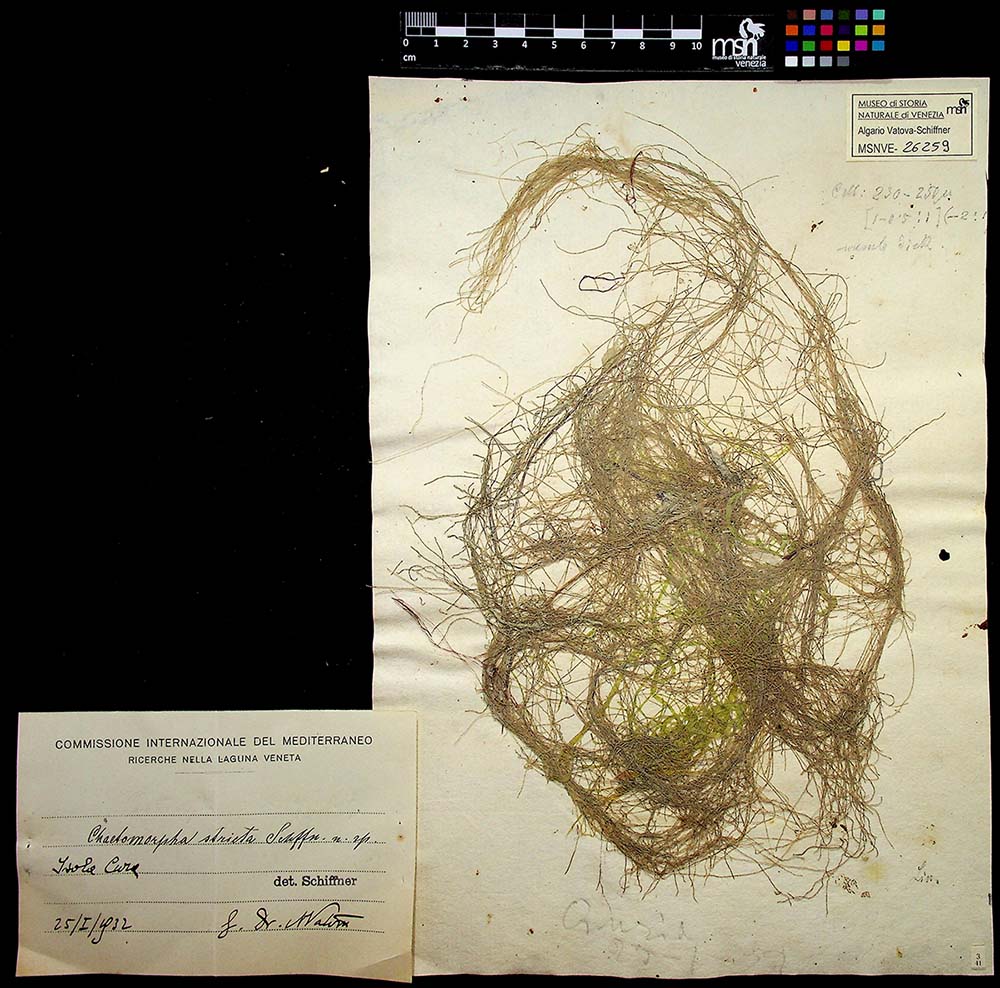
Fig. 1: Sheet MSNVE-26259. Archives Fondazione Musei Civici di Venezia / Giancarlo Ligabue Museum of Natural History.
The importance of knowing about algae
To understand why this historical collection is so important, we need to start with the real protagonists, algae.
The common term “algae” refers to photosynthetic organisms that operate oxygenic photosynthesis not belonging to the Embryophyta group. They are thus a paraphyletic group, so consisting in unrelated organisms, that includes both unicellular and multicellular organisms and are often classified, for convenience, into three groups: Chlorophyta (green), Heterokontophyta (brown) and Rhodophyta (red).
The algarium focuses on the largest species, called macroalgae, which are kept dried on herbarium sheets, where they are lying flat and clearly visible to show the anatomy of the species; in addition, algarium sheets may feature more than one species, in case it is desired to show with which other algae it forms associations.
Macroalgae interact with aquatic plants such as Posidonia and Zostera and other algal species, including microscopic ones, evolving and developing in the same environment. In this way, species associations are established that can have different effects on their surroundings. For example, through photosynthesis, algae and plants absorb carbon dioxide and release oxygen, making the habitats where they grow more favourable for other species; in fact, many animals live in close contact with algae and aquatic plants, which build their habitats, interacting with them in turn.
Algae can also be very important for us humans; in fact, some are used as reference species to monitor water quality, others can be used as food, and still others can be used to produce alternatives to plastics.
The study of biodiversity and its changes, in space and time, especially through a comparison of today’s data with data from historical archives, can provide useful information for other works that, for example, examine the effects of both the environment and human action on organisms.
Digitization
The value of natural history archives is recognized by both the scientific community and the general public precisely because of the information they can provide; for example, they can indicate which species have seen their populations increase or decrease in numbers, which were introduced, discovered, extinct, or rediscovered. Given the value of these collections, the demand for the information contained in them is high, especially from governmental and non-governmental organisations as well as research institutions. It is therefore important to make the material in the archives more usable, including for citizens, especially those who engage in citizen science.
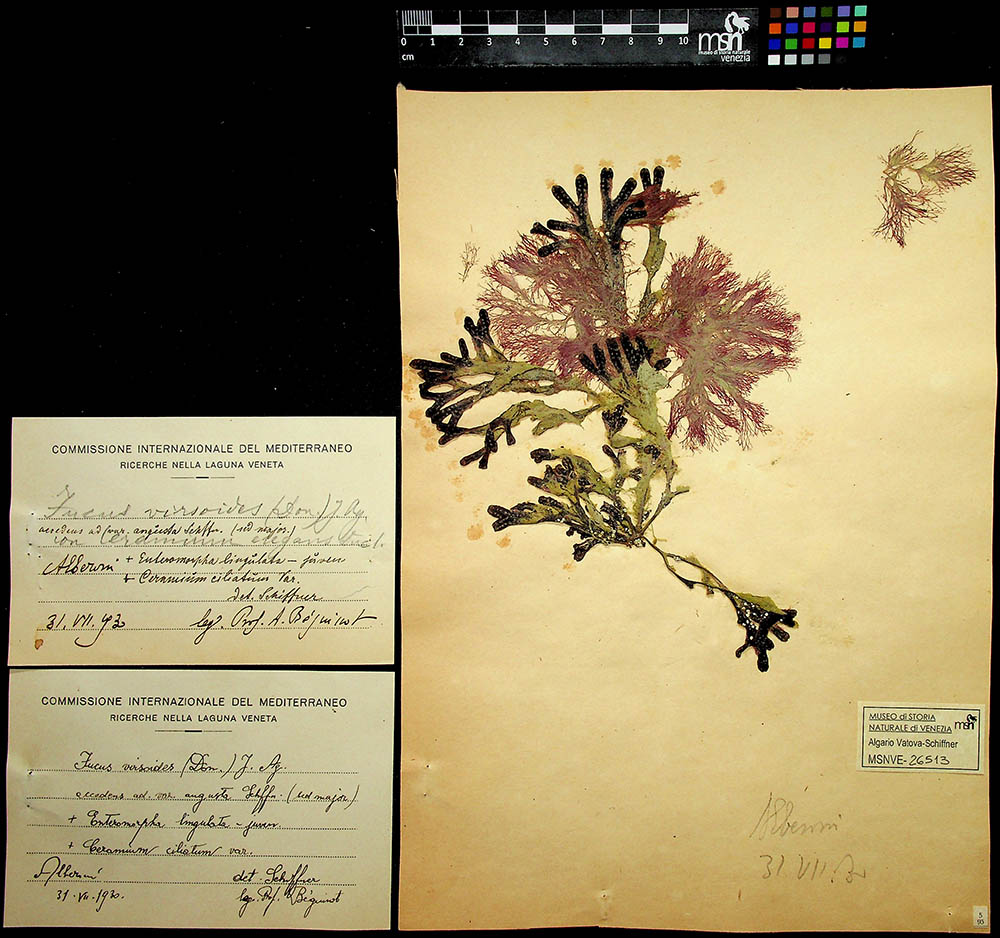
Fig. 2: Sheet MSNVE-26513. Archives Fondazione Musei Civici di Venezia / Giancarlo Ligabue Museum of Natural History.
The Vatova-Schiffner algarium is not the first digitization work of a historical collection performed by the museum; in fact, it is preceded by the first published work in 2019 of a lichenological collection or lichen library.
The first phase of the work involved a check of the algarium and a review and curation activity, thanks in part to the analysis of Minio’s 80-year-old notes.
Image acquisition was done through a planetary scanner using a digital imaging software to produce images in JPEG format, resulting in at least one image per sheet, complete with algae and tags, each associated with a code to finally produce a metadata table through an image-to-data workflow.
On the portal, created by the Department of Life Sciences, University of Trieste, on the Dryades platform, there is information about the authors, the history of the algarium, a list of the 35 photographic plates made by Vatova, and pages about the species. These include the digitised pages, information on the place and year of discovery; also shown are the names as given on the original tags and the respective names given in the monograph La Laguna di Venezia.
The collection has been shown to the public on certain occasions and events, such as during an event in 2022 and one in April 2023, during which the online portal could be accessed for the first time. However, the digitization was essential not only to make the collection more accessible, since previously it was only possible to consult it at the museum upon request, but also to reduce the limitations and risks of physical consultation, which was more risky due to the fragility of the specimens.
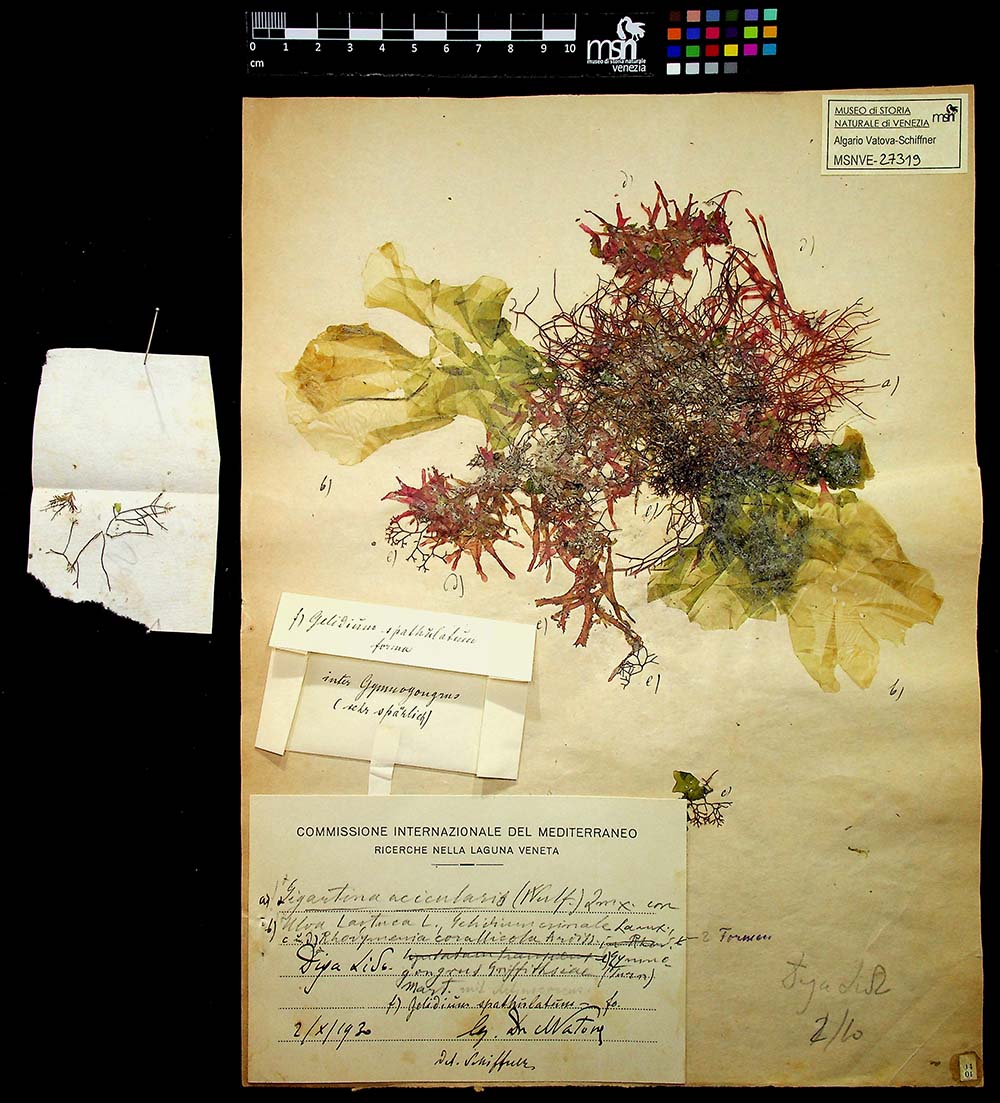
Fig. 3: Sheet MSNVE-27319. Archives Fondazione Musei Civici di Venezia / Giancarlo Ligabue Museum of Natural History.
Building connections
“The important thing is to build a network”, says Raffaella Trabucco, referring to the connections built in the study environment over space and time that have also and especially involved young people. This algarium study project, which is still ongoing, has made it possible to reach even people who are not directly interested in the field of marine biology, allowing them to learn about their experiences; a very important piece, this one, for scientific information. An example of this was the meeting with some of Vatova’s relatives with whom the Museum’s researchers were able to engage during an outreach event.
Whether it is operated through events such as the one previously mentioned or through other dissemination methods such as the Internet, scientific information is aimed at reaching many different people and communicating information that is otherwise unknown or difficult to access. In the case of nature outreach, it is also possible to help develop awareness toward the importance of biodiversity and global changes and to get citizens more involved in science activities as well.
Integrated approach
Naturalistic collections such as the algarium are important not only for the study of biodiversity but also for taxonomic studies involving the comparison of multiple organisms, since taxonomy requires an integration of observations and genetic analysis. As with activities aimed at habitat protection which require an integrated approach between knowledge of species and territory, also involving people living in the area in question, to obtain detailed information from direct experience.
Digitization works such as that of the Vatova-Schiffner collection are important steps forward in making this knowledge increasingly accessible, in effect making data on biodiversity available to many more people, communicating its importance.
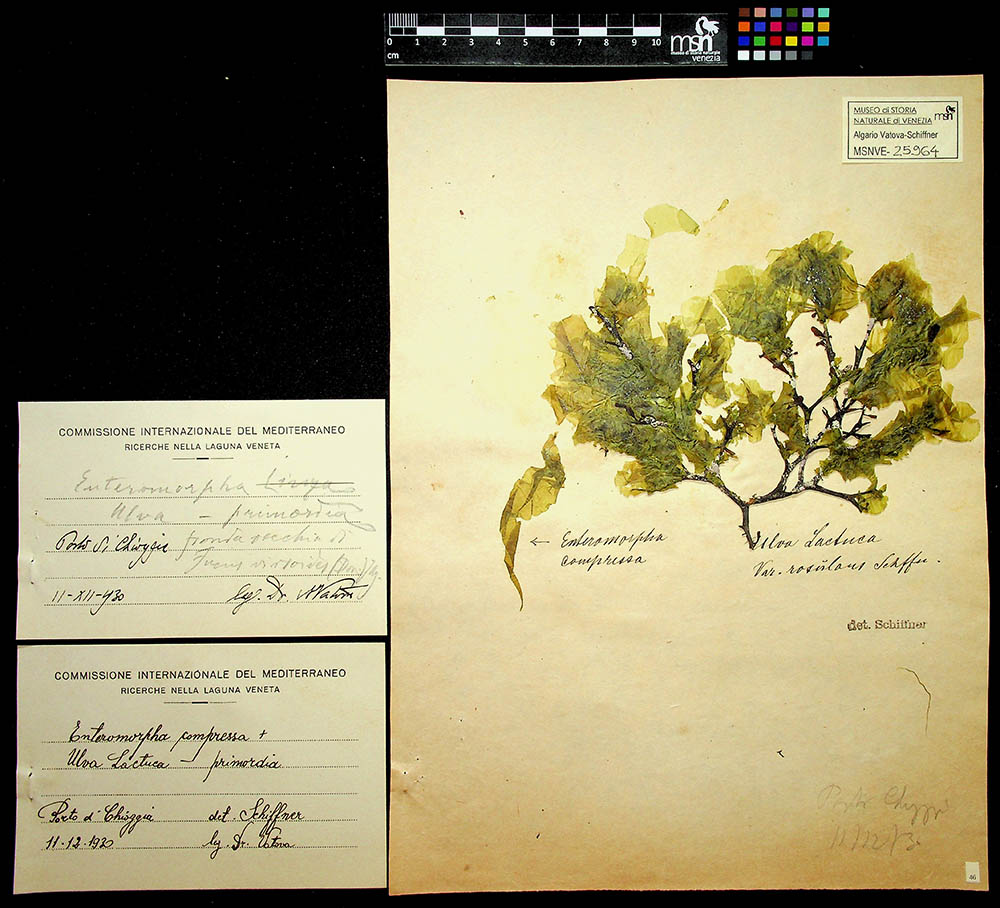
Fig. 4: Sheet MSNVE-25964. Archives Fondazione Musei Civici di Venezia / Giancarlo Ligabue Museum of Natural History.
Digitization works such as that of the Vatova-Schiffner collection are important steps forward in making this knowledge increasingly accessible, in effect making data on biodiversity available to many more people, communicating its importance.
References
[1] Trabucco R., Seggi L., Armeli Minicante S., 2024. Un secolo di cambiamenti nella Laguna di Venezia attraverso le alghe della collezione Vatova-Schiffner. Museologia Scientifica Memorie, 23: 31-36.
[2] Brunelli G., Magrini G., Miliani L., Orsi P. (a cura di), 1938. La Laguna di Venezia: monografia. Vol. III, Parte V, Tomo IX, Fasc. I. Tip. Carlo Ferrari, Venezia, XIII + 551 pp., LXIX c. di tav., 10 c. di tav. ripieg.
[3] Minio M., 1941. La raccolta Vatova-Schiffner delle alghe della Laguna, al Museo Civico di Storia Naturale di Venezia. Nuovo Giornale Botanico Italiano, n.s., 48(3-4): 1-3.

Bachelor’s graduated in Natural Sciences and Master’s graduated in Marine Biology from the University of Padua. Passionate about ecology, sustainability and taxonomy. Has found Atmosphera Lab a way to put into practice and share what he has learnt.
More articles