But how often does it happen that an umbrella breaks with great ease? So many, perhaps too many: and what to do with broken umbrellas then? They should be thrown in the trash, but it is also possible to recover parts of them and turn them into something new. This is the view taken by R-Coat, a sustainable fashion brand that reuses broken umbrellas by transforming them into eco-designed clothing.
From umbrella to hat
R-Coat was born in a small bedroom in Portugal, where its founder, Anna Masiello of Trieste, was staying to pursue a master’s degree in environmental sustainability. Masiello had recently embarked on a personal journey of reducing her own waste and waste, when she began to wonder about ways to give unused umbrellas a second life. He explains, “I started seeing broken umbrellas on the street on rainy days… they had always been there, but before I saw them as waste and not a resource. I started rescuing them and bringing them into my small student room until it started to look like a warehouse of broken umbrellas and I had to find a solution. I bought a sewing machine, learned the basics of sewing on YouTube and created a very simple (and imperfect) first jacket that I called R-Coat.”
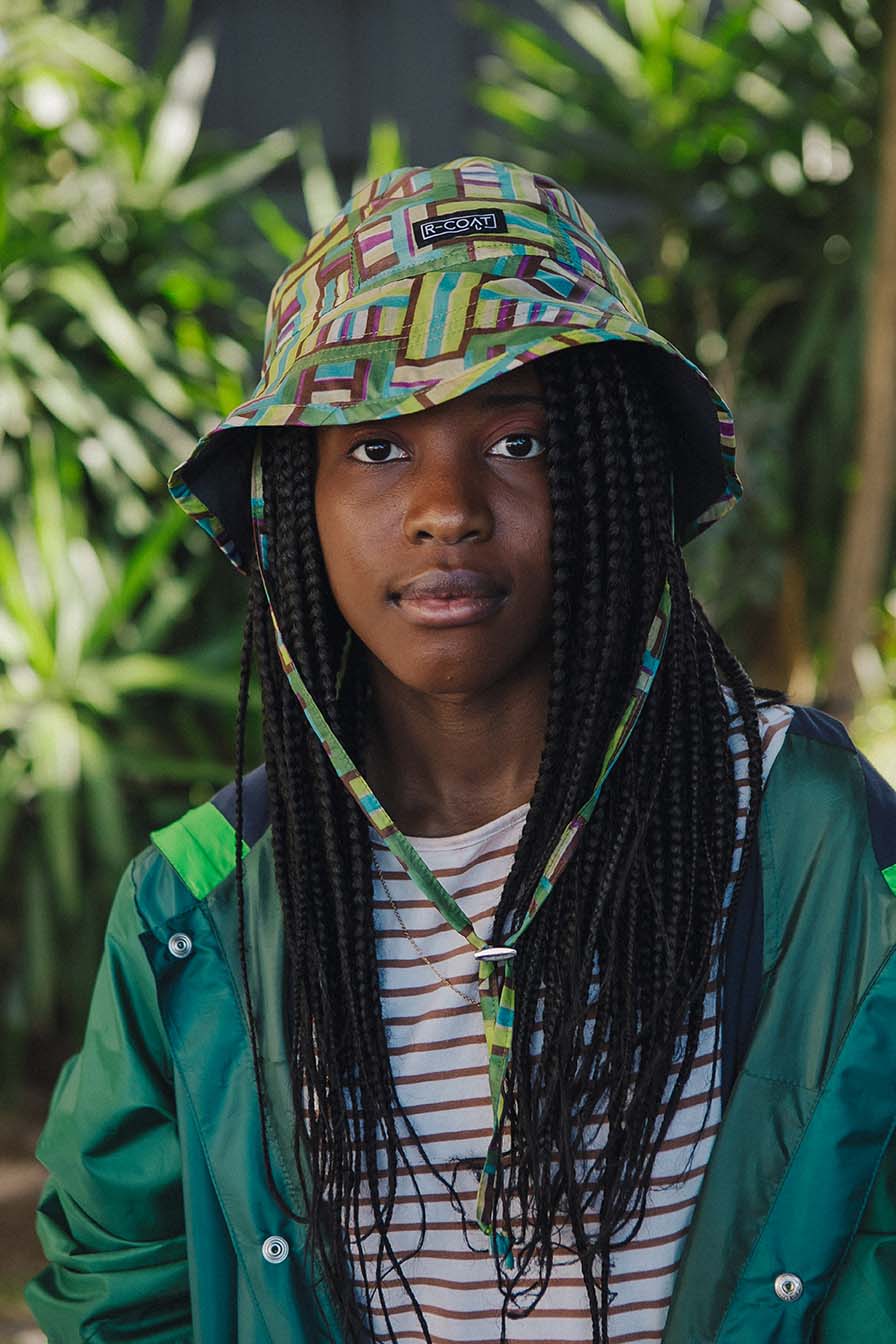
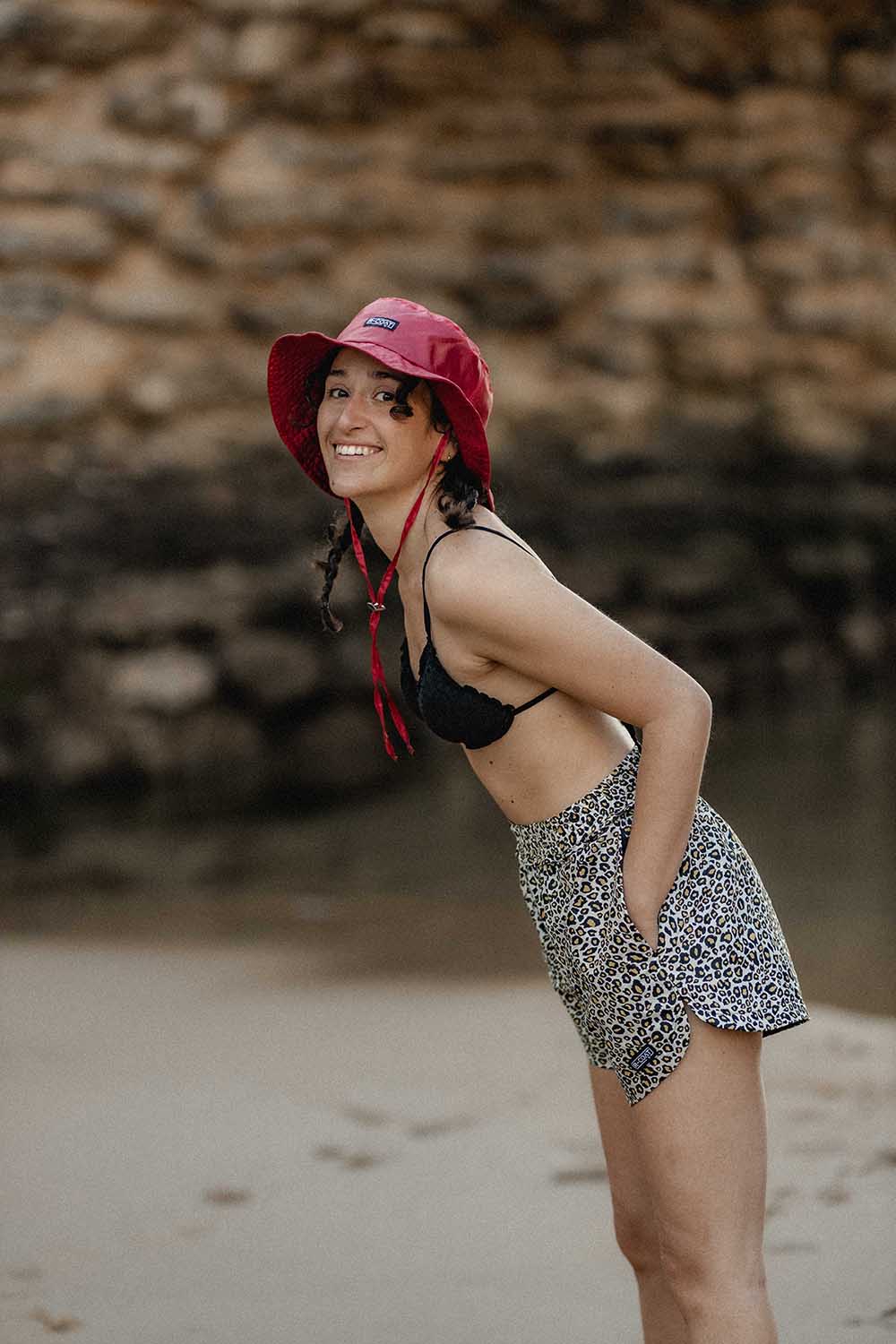
The brand has grown over time, thanks in part to a collaboration with Yasmin Medeiros. Today they produce jackets, bags and hats, created from the umbrella’s cover fabric after the frame is removed. Adds Masiello: “For a jacket you need 5 umbrellas, for a bag half, a hat 1 third, and then with what’s left over we make scrunchies or purses; we try not to throw anything away.” In fact, R-Coat aims to be as zero waste as possible, because through creativity, what is trash can become a sustainable fashion garment or accessory and not be yet another waste to be disposed of.
Collection points
Reusing broken umbrellas is certainly useful, but where to get them? R-Coat has a number of collection points where you can drop off your broken umbrellas, which are located mostly in Portugal. “Most of the collection points are universities, schools or various kinds of stores, only a few sell clothing and are also our retailers,” explains Masiello.
Not all umbrellas, however, turn out to be adequate. “Almost all of them have imperfections, small holes or stains; before handing them over to the seamstresses we draw a circle with chalk around the imperfection. Then the seamstress tries to do a puzzle and avoid all the imperfections,” Masiello explains. “We have to be careful because sometimes when the umbrella tears easily it is also because it has been in the sun a lot, in that case we prefer not to use them.”
Also, for the same reasons, this company’s products are not manufactured in large quantities, “The stock is minimal,” adds the founder, “We only manage to get more if they are plain.” Each bag, jacket or hat is therefore a unique product made with care and dedication.
An Italian-Portuguese brand?
The process takes place in an atelier near Lisbon, where seamstresses work for both R-Coat and private brands. R-Coat strives to collaborate, as much as possible, with local, predominantly women-owned businesses. Environmental sustainability thus goes hand in hand with social sustainability. An example are the realities with which the brand collaborates for the ink purchased for printing on the boxes, or for the creation of the logo, which are handmade in Europe by projects led mainly by women.
Asked about possible international expansion, Masiello replied, “I am Italian, and although I started the project in Portugal, I always knew I wanted to expand it here as well. After six years I moved back to Trieste and now my goal is to make my city the base of my business. As for other cities in Europe we will see…one step at a time!”

Literature graduated (UniMi), she is currently studying Environmental Humanities (UniVe). Hungry for stories, she loves writing about the environment and being provoked by people’s ideas. Determined and thorough, she likes to go beyond the apparent superficiality of facts. Her safe place is the library, but don’t be fooled: she is never punctual in returning books.
More articles